
Bleeding gums are a common oral health concern that many people experience at some point in their lives. You might notice blood when brushing, flossing, or even eating certain foods. While occasional bleeding can seem harmless, it is often a sign that something is not quite right with your gums or overall health. Understanding the causes of bleeding gums is an important step toward protecting your smile and preventing more serious dental problems.
Poor Oral Hygiene
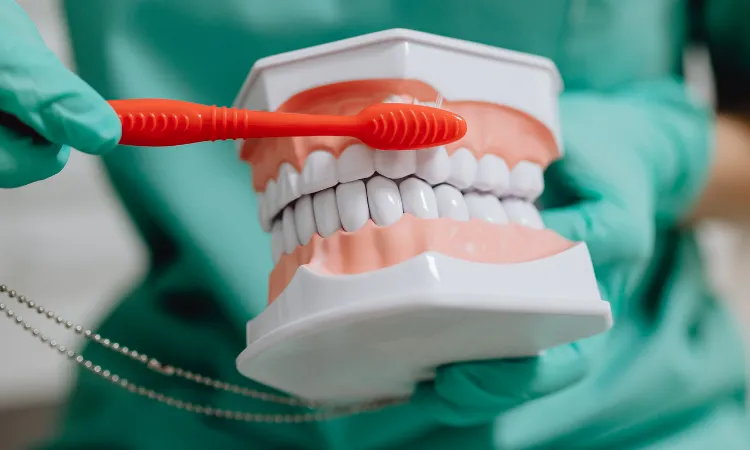
One of the most common reasons for bleeding gums is poor oral hygiene. When teeth are not brushed and flossed regularly, plaque builds up along the gumline. Plaque is a sticky film of bacteria that irritates the gums and causes inflammation. Over time, this irritation makes the gums tender and more likely to bleed, especially during brushing or flossing. Consistent oral care is essential to keep plaque under control and maintain healthy gums.
Gingivitis and Periodontitis
Bleeding gums are often an early warning sign of gum disease. Gingivitis is the mildest form of gum disease and occurs when plaque buildup leads to red, swollen, and bleeding gums. At this stage, the condition is usually reversible with proper dental care. If gingivitis is left untreated, it can progress to periodontitis, a more severe form of gum disease. Periodontitis can cause the gums to pull away from the teeth, leading to infection, bone loss, and even tooth loss.
Hormonal Changes
Hormonal fluctuations can make gums more sensitive and prone to bleeding. This is commonly seen during puberty, pregnancy, menstruation, and menopause. Changes in hormone levels can increase blood flow to the gums, making them more reactive to plaque and bacteria. While hormonal bleeding gums are often temporary, good oral hygiene is especially important during these times.
Medications and Medical Conditions
Certain medications can contribute to bleeding gums by affecting how blood clots or how the gums respond to bacteria. Blood thinners, some heart medications, and certain seizure medications are known to increase gum sensitivity. In addition, medical conditions such as diabetes, leukemia, and immune disorders can weaken the body’s ability to fight infection, making gum problems more likely. Bleeding gums can sometimes be one of the first signs that an underlying health issue needs attention.
Nutritional Deficiencies
A lack of essential nutrients can also play a role in gum bleeding. Vitamin C is important for maintaining healthy connective tissue, including the gums. A deficiency can lead to weakened gum tissue that bleeds easily. Vitamin K is another key nutrient, as it helps with blood clotting. Poor nutrition can weaken the gums and reduce their ability to heal, increasing the risk of bleeding.
Smoking and Lifestyle Factors
Smoking and tobacco use have a significant impact on gum health. Tobacco weakens the immune system and reduces blood flow to the gums, making it harder for them to heal. Ironically, smoking can sometimes mask bleeding in the early stages of gum disease, allowing the condition to worsen unnoticed. High stress levels can also affect the immune system, making the gums more vulnerable to infection and inflammation.
When to See a Dentist
Occasional bleeding may not always be a cause for alarm, but persistent or heavy bleeding should never be ignored. If your gums bleed regularly, feel painful, or appear swollen, it is important to seek professional dental advice. Early treatment can prevent minor gum issues from developing into serious oral health problems.
Treatment for Bleeding Gums in Owings Mills, MD
At Owings Mills Dental Care, we are dedicated to helping you preserve your oral health. If you experience frequent or intense gum bleeding, don’t hesitate to reach out. The sooner your seek treatment, the more like you are to reverse gum disease or other dental conditions. Contact our office today to schedule a consultation and learn more about how to keep your smile healthy.